
World Environment Day: Understanding environmental obligations in the workplace
- Updated
- 5 min
World Environment Day on 5 June is a reminder that environmental responsibility is no longer simply a sustainability issue. For many organisations, it is also a compliance, governance and risk management issue.
This year’s theme, “Inspired by Nature. For Climate. For Our Future.”, highlights the importance of taking meaningful action today to protect and preserve the environment for future generations. It also reflects a broader shift in organisational expectations. Businesses must now understand their environmental impact and actively identify, manage and report on the risks and responsibilities associated with operating in a changing environmental landscape.
Environmental responsibility and sustainability are distinct concepts. Specifically, environmental responsibility focuses on managing an organisation’s impact on the natural environment. In contrast, sustainability is a broader concept that includes environmental, social and governance (ESG) factors and long-term value creation. As a result, environmental responsibility forms part of sustainability and is increasingly shaped by regulatory and stakeholder expectations.
Employees, customers, regulators, investors and supply chain partners expect organisations to understand their environmental risks and responsibilities. They also expect clear evidence of how organisations manage those risks and translate environmental commitments into action. As a result, environmental responsibility can no longer sit on the sidelines. It requires clear governance, defined accountability and a workforce that understands its role in supporting environmental objectives and meeting organisational obligations.
Why environmental obligations matter
Environmental obligations differ across industries, jurisdictions and organisation size, and are now defined by regulation, formal disclosure standards and stakeholder expectations.
For many organisations, these obligations arise through mandatory reporting and disclosure requirements. In Australia, the Australian Securities and Investments Commission (ASIC) is the primary regulator for ESG-related disclosure and governance, supported by other bodies depending on the issue. These include the Australian Prudential Regulation Authority (APRA), the Australian Competition and Consumer Commission (ACCC), the Australian Accounting Standards Board (AASB) and the Clean Energy Regulator. Together, these organisations shape expectations around disclosure accuracy, climate-related risk and environmental accountability.
ASIC also provides specific guidance on sustainability-related disclosures and greenwashing risks, outlining expectations that environmental claims must be clear, accurate and capable of being substantiated: ASIC Greenwashing Guidance
Alongside regulation, formal reporting frameworks and standards are raising the bar for consistency and transparency. Global and domestic standards, including those developed by the International Sustainability Standards Board (ISSB) and the Australian Accounting Standards Board (AASB), are shaping how organisations measure, disclose and communicate sustainability and climate-related information. These frameworks are shifting environmental reporting from voluntary disclosure to structured, decision-useful reporting expected by stakeholders.
Beyond regulation and standards, commercial and operational pressures also drive environmental obligations. Procurement requirements, investor expectations, customer commitments and supply chain due diligence now require organisations to demonstrate how they identify, manage and monitor environmental risks in practice.
Organisations are now expected to demonstrate:
- clear environmental reporting and disclosure practices
- active management of climate-related risks
- compliance with legal and regulatory requirements
- alignment with ESG and sustainability expectations
- responsible supply chain and procurement practices
- effective identification and management of environmental risks
Understanding these obligations strengthens risk management, improves governance and builds trust with stakeholders. It ensures environmental impacts are not only recognised but actively managed and integrated into organisational decision-making.
Internally, this matters just as much. Employees expect organisations to act consistently with environmental commitments and broader sustainability goals. Clear accountability and transparency strengthen engagement and reinforce long-term organisational resilience.
Turning obligations into action through recognised frameworks
One challenge organisations face is turning environmental obligations into practical action.
Global standards and frameworks help bridge that gap. They provide structure for managing environmental risks and responsibilities.
Frameworks such as the United Nations Sustainable Development Goals, the Global Reporting Initiative (GRI) Standards, and climate-related disclosure frameworks not only help organisations identify impacts, but also assess risks and measure performance. In addition, they support more consistent evaluation across sustainability areas. Furthermore, these frameworks make reporting more transparent, thereby improving accountability and stakeholder trust.
Their value goes beyond compliance. They help organisations build consistent governance practices and clarify responsibilities across the business.
Environmental obligations are everyone’s responsibility
Environmental responsibility is often seen as the role of ESG, sustainability or risk teams. In practice, it requires participation across the organisation. Leaders need to understand organisational obligations and risks. Managers need to understand how operational decisions affect environmental outcomes. Employees need to understand how their actions contribute to organisational responsibilities.
Environmental obligations cannot be managed through policies alone. They require awareness, understanding and consistent action across the workforce.
The role of training in supporting compliance and accountability
Training plays an important role in helping organisations meet environmental obligations and build accountability. Environmental and ESG compliance training helps employees understand policies, identify risks and recognise how their role supports organisational goals. For leaders and managers, training strengthens governance. It builds awareness of environmental risks, reporting expectations and emerging obligations.
Understanding environmental commitments and the actions required to support them enables people to meet their obligations effectively. As a result, they can reduce compliance risks and make accountable decisions.
Moving from awareness to accountability
World Environment Day is an opportunity to raise awareness. However, awareness alone is not enough. To move from awareness to accountability, organisations must embed environmental obligations into governance frameworks, policies, systems and workplace behaviours.
This includes:
- setting clear environmental objectives
- aligning policies with recognised standards and obligations
- educating employees and leaders
- monitoring and measuring progress
- identifying and managing environmental risks
- reporting transparently
- continuously improving performance
These actions turn environmental responsibility into everyday practice.
Taking the next step
World Environment Day highlights that environmental obligations are now a key part of compliance and governance.
Organisations cannot treat them as a future issue. They must understand requirements, educate employees and embed accountability into daily operations. This is essential for managing risk, meeting expectations and demonstrating responsible governance.
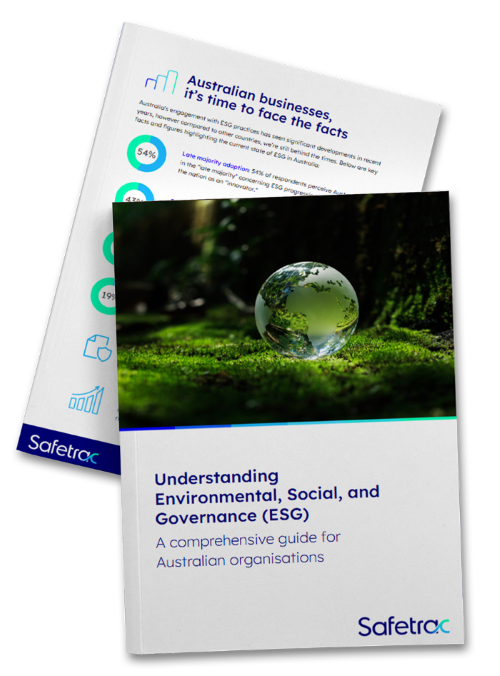
To learn more, download our ESG report. It provides practical insights into ESG expectations, emerging obligations, global standards and the steps organisations can take to build a more informed, accountable and responsible workplace.
Turn environmental awareness into action
Gain practical insights into ESG responsibilities, frameworks and best practices.
Get the latest news
Stay updated with the latest news and expert insights on compliance, legislation, and industry trends.