
What are psychosocial hazards and why HR should care
- Updated
- 8 min
Psychosocial hazards are gaining attention in today’s workplace, as they are factors that can harm mental health. HR professionals must understand these hazards. These hazards include stress, bullying and lack of support, all of which can affect employee wellbeing and productivity. Ignoring them can lead to serious consequences.
Psychological safety is crucial because it ensures employees feel safe to express themselves, helping to foster a healthy work environment. HR plays a key role in managing these hazards. By prioritising them, HR can enhance workplace culture, leading to better employee engagement and retention. Compliance with legal standards is also essential. Addressing psychosocial hazards aligns with occupational health regulations and helps protect both employees and the organisation. Integrating psychosocial hazard management into company culture is vital and requires commitment and clear communication from leadership.
Understanding psychosocial hazards
Psychosocial hazards are aspects of work that may cause psychological or physical harm. They are linked to how work is designed and managed. Understanding them is crucial for fostering a healthy environment.
These hazards might not be visible at first. However, they significantly impact mental health and organisational performance. To address them effectively, HR must recognise their various forms.
Examples of psychosocial hazards include:
- Excessive workloads and tight deadlines
- Lack of control over work tasks
- Insufficient support from supervisors
- Workplace bullying and harassment
Each of these hazards presents unique challenges. They can lead to stress, anxiety and even burnout if not addressed. This underscores the need for HR to be vigilant.
Recognising psychosocial hazards is the first step. HR professionals need to implement effective strategies to ensure employee wellbeing and foster productivity.
Common types of psychosocial hazards in the workplace
Psychosocial hazards in the workplace manifest in various ways. Recognising these hazards allows HR to create safer environments for employees. Excessive workloads are a prevalent hazard. Employees feel overwhelmed, leading to stress and decreased productivity. Adjusting workloads can mitigate this issue. Lack of job control is another concern. When employees can’t influence how they perform their duties, frustration mounts. Providing autonomy can enhance job satisfaction.
Insufficient managerial support impacts morale. Employees need guidance and feedback. A supportive atmosphere encourages communication and enhances trust. Bullying and harassment are serious hazards. They foster a hostile environment, resulting in anxiety and disengagement. Establishing clear policies can deter such behavior. Role ambiguity confuses employees. Unclear job roles lead to stress and reduce efficiency. Clear communication of expectations can alleviate this ambiguity.
Addressing these hazards requires a proactive approach. Implementing the following steps can help:
- Regularly assess the work environment.
- Provide resources for stress management.
- Encourage open conversations about workloads.
These actions contribute to a positive workplace culture. Employee well-being improves, and organisations thrive when these hazards are managed effectively.
The impact of psychosocial hazards on employees and organisations
Psychosocial hazards significantly affect both employees and the organisations they serve. These impacts are often interlinked, exacerbating existing challenges.
For employees, the effects can include mental health issues. Stress, anxiety and depression often arise from unchecked workplace hazards. This undermines their overall wellbeing and job satisfaction. Organisations, in turn, face reduced productivity. When employees struggle with psychosocial issues, their performance and engagement decline. This can lead to increased absenteeism and turnover rates, affecting company efficiency.
The financial repercussions for businesses are substantial. Productivity losses and high turnover lead to increased recruitment and training costs. Furthermore, damaged reputations can deter top talent from joining the organisation.
To summarise the impacts:
- Mental health challenges for employees
- Decreased productivity and engagement
- Increased absenteeism and turnover
- Financial losses and damaged reputation
Addressing these issues promptly benefits both employees and the organisation. Implementing effective strategies can mitigate these negative effects.
Psychological safety: the foundation for a healthy workplace
Psychological safety is vital for nurturing a productive work environment. It ensures that employees feel safe voicing ideas without fear of negative consequences. This foundation empowers teams to be innovative and collaborative. Without psychological safety, creativity and open communication stagnate. Employees may hesitate to share valuable insights or raise concerns. This can lead to unresolved issues and hinder the organisation’s growth.
To cultivate psychological safety, organisations should prioritise inclusivity and respect. Encouraging feedback and fostering open dialogue are key practices. This inclusion enhances trust and strengthens team dynamics.
Critical elements of psychological safety include:
- Encouragement of open communication
- Respect for diverse perspectives
- Freedom from fear of humiliation
- Support for risk-taking and innovation
By embedding these principles, workplaces can become more supportive. Employees are more likely to contribute positively when they feel valued and heard.
Why HR should prioritise psychosocial hazard management
Psychosocial hazards directly affect employee health and productivity. Ignoring these hazards can lead to increased absenteeism and turnover. Addressing them is crucial for maintaining a healthy work environment. HR has a pivotal role in managing these risks. By prioritising psychosocial hazard management, HR can foster a supportive culture. This creates a workplace where employees feel safe and engaged. Additionally, addressing psychosocial hazards can boost organisational performance. Employees are more productive when their mental wellbeing is a priority. This can lead to better outcomes and enhanced company reputation.
Key reasons for prioritising psychosocial hazard management include:
- Improving employee wellbeing and satisfaction
- Meeting legal and compliance obligations
- Reducing turnover and increasing retention
- Enhancing company culture and performance
By focusing on psychosocial hazards, HR can drive meaningful change. This commitment strengthens both employees and the organisation as a whole.
Legal and compliance considerations for HR
Addressing psychosocial hazards is not just best practice; it is a legal obligation. Various regulations require organisations to ensure employee safety, including mental wellbeing. HR needs to stay informed about these laws to ensure compliance. Failure to comply with occupational health and safety regulations can lead to serious consequences. This includes potential fines, legal action, and damage to the organisation’s reputation. HR must actively monitor these requirements and incorporate them into policies.
To ensure compliance, HR should consider:
- Regularly reviewing relevant legislation
- Updating policies to reflect legal requirements
- Providing training for managers on legal obligations
- Collaborating with legal and compliance teams
By integrating legal requirements into psychosocial hazard management, HR can protect the organisation and its employees effectively.
Building a compliance-first culture: practical steps for HR
Fostering a compliance-first culture requires a strategic approach from HR. The foundation rests on clear policies that address psychosocial hazards and promote employee wellbeing. HR needs to ensure these policies are communicated effectively across the organisation.
Training is vital. Equip employees with the knowledge to identify and respond to psychosocial hazards. This empowers them to engage actively in maintaining their own psychological safety. Regular workshops and e-learning modules can be effective methods.
Collaboration should be a core focus. HR should work closely with management and employees. Encourage open communication and input when developing and refining policies.
To embed a compliance-first culture:
- Establish clear, accessible policies
- Implement comprehensive training programs
- Encourage open dialogue and feedback
- Collaborate with cross-functional teams
- Align policies with organisational values
By prioritising these steps, HR can enhance psychological safety and compliance across the organisation.
Stress management strategies for a resilient workforce
Effective stress management begins with understanding its triggers. HR can facilitate this through regular assessments and feedback mechanisms. Knowing the specific stress factors enables targeted interventions. Flexible work arrangements are a powerful tool. They allow employees to manage their work–life balance more effectively. HR should advocate for policies that support remote work and flexible hours.
Providing access to mental health resources is crucial. Employees should feel supported in managing stress. This includes offering counselling services and stress management workshops.
In summary, actionable strategies include:
- Conducting regular stress assessments
- Promoting flexible work options
- Offering mental health resources and support
- Encouraging work–life balance initiatives
These strategies can bolster workforce resilience and contribute to a healthier, more engaged workplace culture.
Integrating psychosocial hazard management into company culture
Embedding psychosocial hazard management into company culture requires deliberate effort. Start by promoting open dialogue about mental health. Encourage leaders to model this openness and support. Active leadership involvement is crucial. Leaders should prioritise psychological safety in their teams. This commitment signals the importance of mental wellbeing throughout the organisation.
Practical steps to integrate management include:
- Training managers and employees on mental health awareness
- Establishing clear reporting channels for psychosocial hazards
- Regularly reviewing and updating policies to reflect current needs
By taking these steps, organisations can foster a culture of trust and safety. This enhances employee wellbeing and aligns with organisational values.
Measuring success: monitoring and improving interventions
Monitoring psychosocial hazard interventions is vital for measuring success. Regular assessments help identify areas needing improvement. Consistent evaluation informs strategic decisions.
Utilise a variety of tools to gauge effectiveness:
- Employee surveys to gather insights and feedback
- Regular check-ins with teams to discuss concerns
- Data analysis to spot trends in mental health and wellbeing
Adjust strategies based on this data. Being proactive allows for timely, impactful adjustments. This commitment to improvement builds trust and ultimately supports a sustainable culture of psychological safety in the workplace.
Conclusion: the HR imperative for psychological safety
Psychological safety is crucial in today’s complex work environment. HR plays a pivotal role in embedding this concept into workplace culture. By addressing psychosocial hazards, HR can foster healthier work environments.
Prioritising these aspects leads to improved employee wellbeing and organisational success. The journey to a compliance-first culture is ongoing. HR’s commitment to this journey ensures sustainability and growth.
Protect your workforce: Prioritise psychosocial hazards
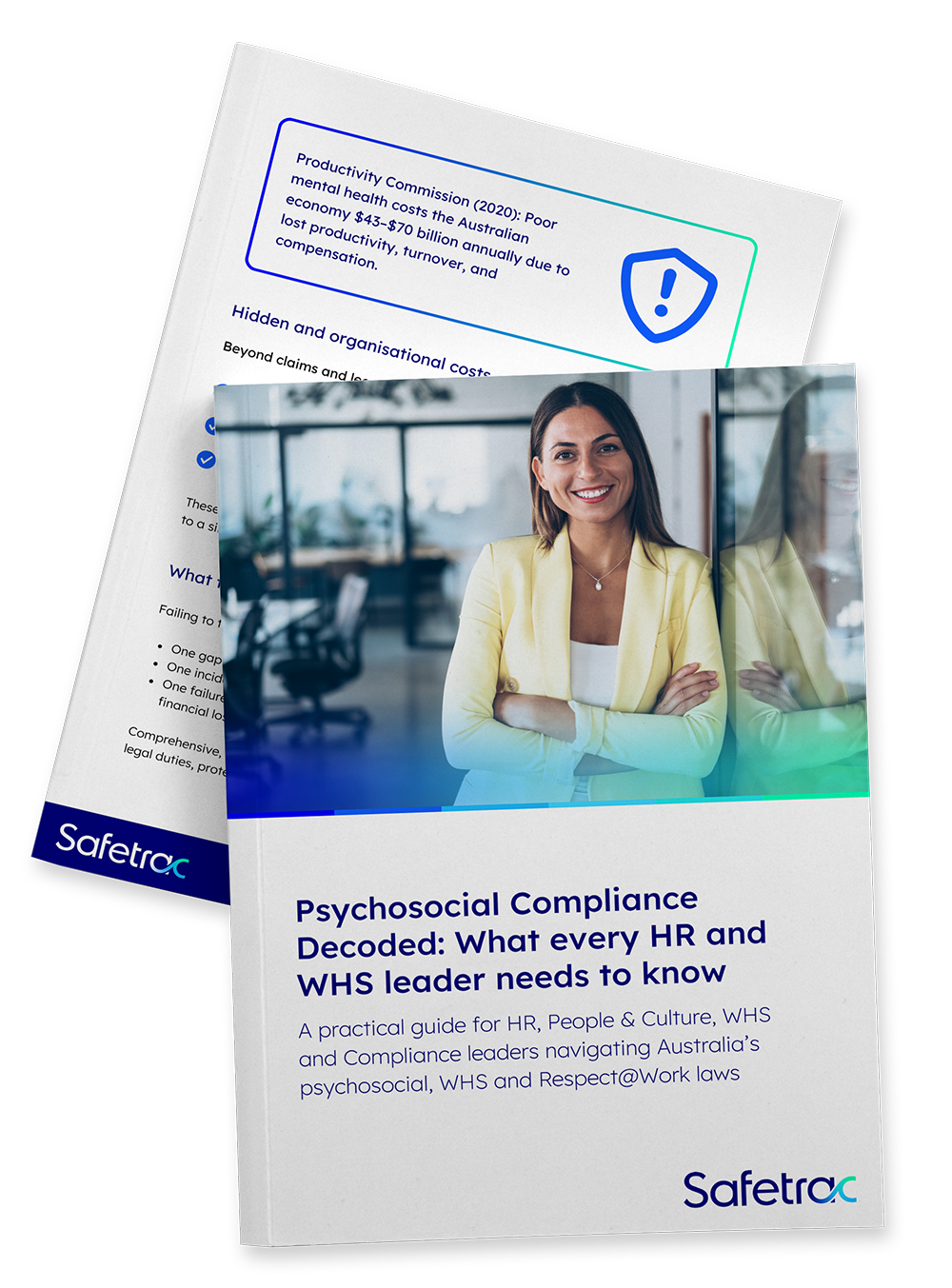
Explore the laws behind psychosocial hazards and how they intersect with workplace compliance.
Get the latest news
Stay updated with the latest news and expert insights on compliance, legislation, and industry trends.